Lana Rhoades Announces Candy AI Partnership and Defends Her 19-Year-Old AI Twin
Lana Rhoades explains her Candy AI partnership, why her digital twin is 19, and how she responds to criticism about regret, royalties, and control.
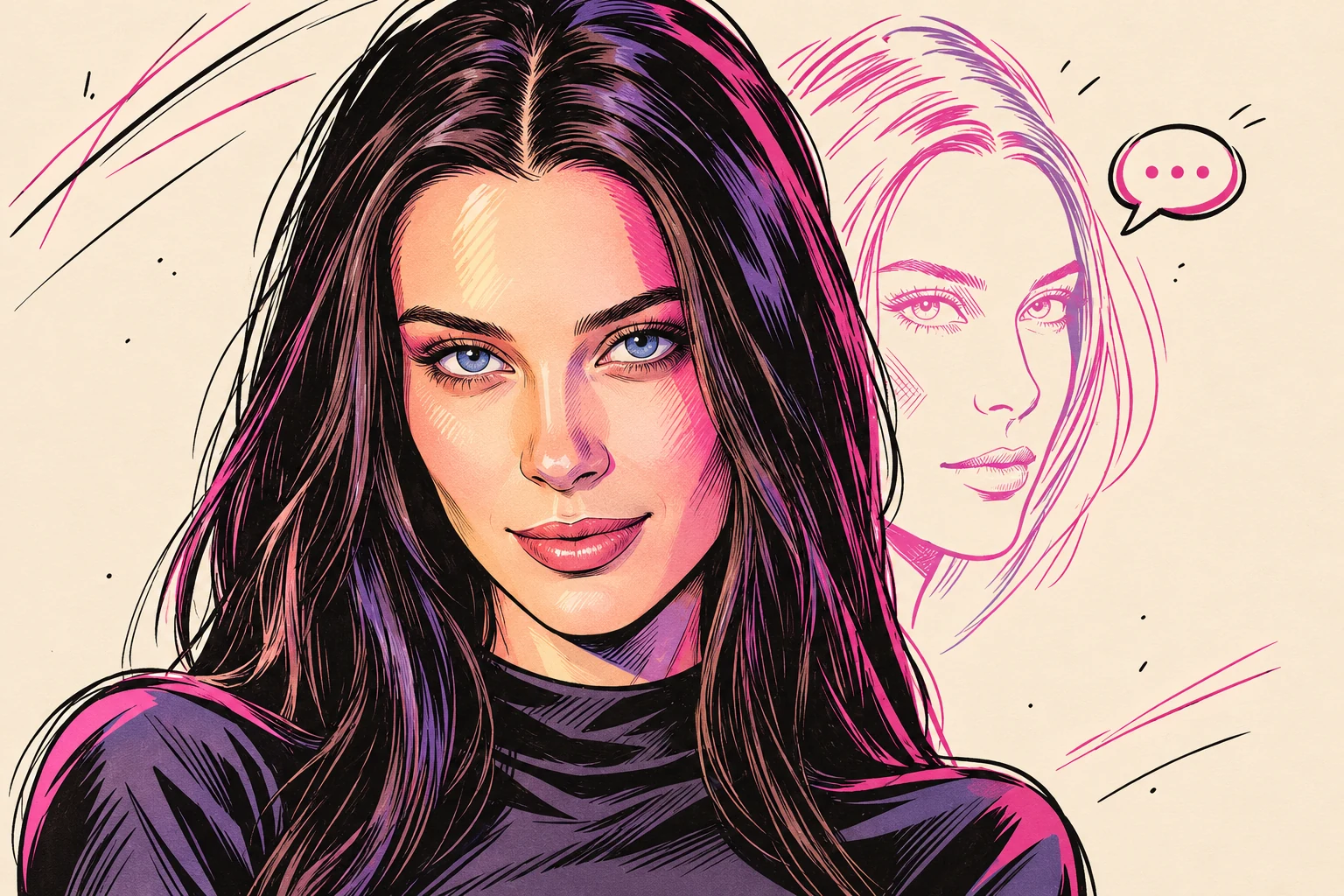
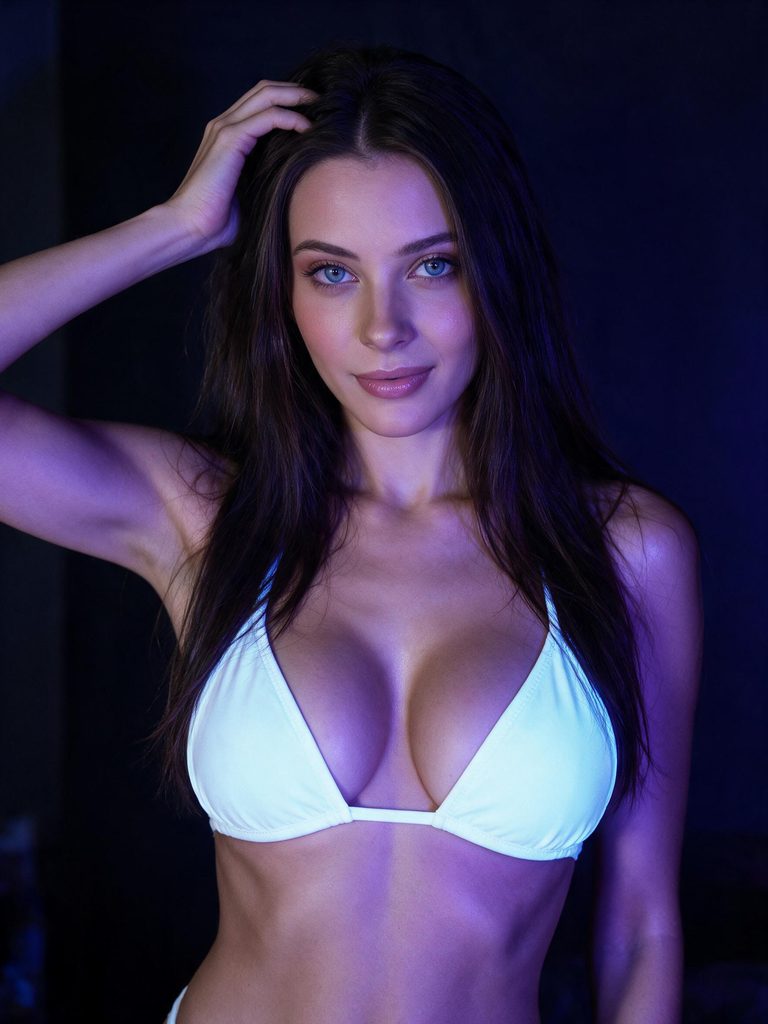
Lana Rhoades has announced a partnership with Candy AI, an AI girlfriend website offering a digital version of the former adult performer. The pitch is deliberately nostalgic: a twin based on how she looked at 19, available for personalized interactions without Rhoades returning to filming.
That distinction sits at the center of the controversy. For critics, monetizing a younger version of herself clashes with her public discomfort about her adult-industry past. For Rhoades, her Instagram Stories describe something different: a chance to earn from an image that already circulates online while setting new boundaries around her physical participation.
Her explanation deserves more attention than a quick accusation of hypocrisy. So does the uncomfortable wording that helped sell the launch.
What Did Lana Rhoades Announce?
In the announcement text shared with us alongside her Instagram announcement link, Rhoades wrote:
“19 year old Lana is back! LIVE NOW only on CandyAi ! They recreated me 1:1, exactly how I looked at 19, my prime. Same face, same body, same voice…go create your own personalized content with her - she’s available for you 24/7”
The wording sells familiarity, personalization, and constant availability. However, “1:1” is a promotional claim, not an independently established measure of how accurately the system reproduces her appearance or voice.
Candy AI’s official Lana Rhoades page identifies the character as a licensed AI twin. The company says her likeness and voice are licensed and her team approves its content. This is therefore being presented as an authorized commercial partnership, rather than an unofficial imitation.
An AI character remains software. Messages or generated media from the twin should not be mistaken for personal replies or newly filmed performances by Rhoades herself.
Why Make the Digital Twin 19?
The most contentious decision is the age of the avatar. One question in the Instagram Story screenshots supplied for this article asks why she chose 19 rather than an older version of herself.
Rhoades responds that this is the version already available online in her older videos. She says she receives no royalties from those videos and describes the project as:
“I’m making lemonade out of lemons here.”
Her argument is about an existing commercial identity. The younger image already attracts attention, she suggests, so licensing a new digital version creates an opportunity to receive income from that recognition.
That is her account of the economics; the screenshots do not establish the rights or payment arrangements attached to every older video. They also reveal nothing about the revenue split in her Candy AI deal.
Still, the distinction matters. Earning a fee for an original performance and receiving continuing royalties are different arrangements. A recognizable face can remain commercially valuable long after its owner stops receiving payment for particular recordings.
The Problem With Calling 19 Her “Prime”
The launch caption also describes her younger self as being in her “prime.” That language has become a separate flashpoint.
One Reddit reaction supplied for this article reads:
“Kinda sad this 30 year old woman thinks she was only in her prime when she was 19”
The reaction captures why the phrase lands badly: it can suggest that a woman’s value peaks at the beginning of adulthood. For an audience already uncomfortable with youth-focused marketing, that implication can overwhelm the business explanation.
But an advertising caption cannot tell us everything about someone’s self-image. Rhoades may be referring to the version most familiar to her adult-content audience. That is a plausible reading, rather than an explanation she explicitly gives in the supplied Stories.
Her follow-up focuses instead on the continued circulation of old material. That context makes the choice easier to understand without making “my prime” any less open to criticism.
Why She Says AI Gives Her More Control
Another Story question asks why she endorses AI. Rhoades answers that people in the industry may no longer want to use their own bodies to create content while still living with the stigma of material already online.
Her proposed benefit is straightforward: a creator could continue earning from an established identity without continuing the same physical work.
That addresses a gap often missed in debates about leaving adult entertainment. Stopping production does not make an existing catalogue disappear. Public recognition and unwanted judgment can continue even when someone changes careers or boundaries.
From that perspective, agreeing to an AI likeness need not mean wanting to resume filming. Consent can apply differently to different activities. Someone can reject a working arrangement they experienced before and accept a new one they consider more manageable.
Whether this particular deal delivers lasting control is a separate question. The Stories explain her motivation, but they do not disclose contractual limits, approval procedures, or what happens if she later wants to withdraw.
Her Stories Connect AI With OnlyFans and Hidden
In the third supplied screenshot, Rhoades places the partnership within a broader argument about performer autonomy.
She says she welcomed OnlyFans because she believed it gave performers more control and made the industry safer. She then praises @hiddenmwebsite, describing it as a platform built by sex workers around their needs. These are her assessments, rather than independent findings about either platform.
She presents AI as another way to diversify income beyond someone’s active content-making years. The emphasis is on longevity: creators should have opportunities to support themselves after they stop producing material with their own bodies.
That connects with a wider question about the art, labor, and commercial value of adult content. Who benefits when an image keeps attracting an audience? Who decides what gets made next? And how much say does the person represented actually retain?
Her Stories offer a clear position on those questions, even though the commercial terms remain private.
Is the Partnership Hypocritical?
Another Reddit comment supplied for this article puts the criticism bluntly:
“She spent years shouting over the roof that she regrets her life in the industry.
And now .. This ? Hypocrisy”
These two excerpts illustrate objections; without the original threads, they should not be treated as a representative survey of Reddit opinion.
The apparent contradiction is understandable. A campaign announcing that “19 year old Lana is back” invites people to connect the new product with the earlier career she has criticized.
Yet regret can concern working conditions, compensation, particular experiences, or loss of control. It does not automatically amount to a promise never to monetize a public identity again. Need To Know’s reporting also describes the venture as a way for her to maintain boundaries around filming.
The stronger criticism concerns what the campaign continues to sell. Even without new physical performances, the product commercializes the younger persona associated with that chapter of her life. Supporters may see reclamation; skeptics may see an old identity becoming harder to escape.
Both interpretations address a real tension. Neither requires assuming we know her private feelings.
An AI Girlfriend Also Changes the Fan Relationship
The promise of being available “24/7” is central to the appeal. An archive offers something to watch; an AI companion offers an ongoing interaction that can feel responsive and personal.
That raises questions already familiar from OnlyFans parasocial relationships. Recognition, attention, and apparent intimacy can encourage a fan to feel close to someone they do not actually know.
An AI twin adds another layer: the interaction uses a recognizable person’s identity while the conversation comes from software. Clear disclosure matters because approval of a digital character does not mean the real person reads each message or shares the character’s responses.
The platform’s marketing should also be read carefully. Access to a character does not necessarily mean every feature is included or unlimited. Readers should check current product terms rather than infer what a subscription buys from a social-media caption.
What This Deal Leaves Unanswered
Rhoades has explained why she wants the partnership. The unresolved issue is how far the promised autonomy extends.
Can she veto particular uses of her likeness? Can she end the arrangement? What happens to generated material afterward? How are boundaries enforced when customers request personalized content?
Those questions do not establish wrongdoing. They identify the details needed to judge whether licensing an AI twin offers durable control as well as a new income stream.
The announcement is revealing because its sales pitch and its defense emphasize different things. The pitch promises a younger Lana who is always available. Her Stories emphasize the present-day woman choosing how much of herself to give.
The partnership’s credibility will depend on whether that second promise holds up as strongly as the first.